
Review · PUNTA CANA
Caribbean Lobster
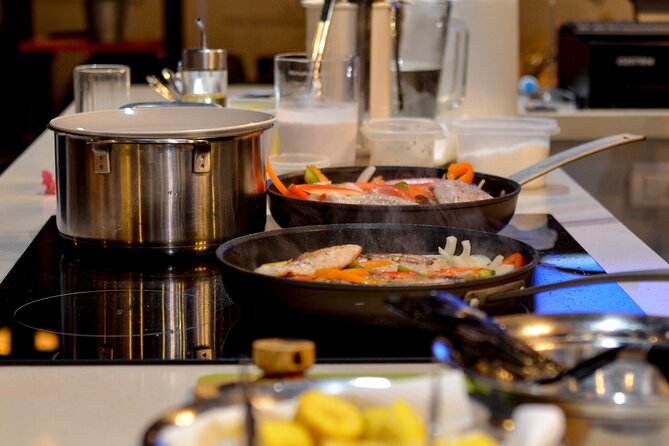
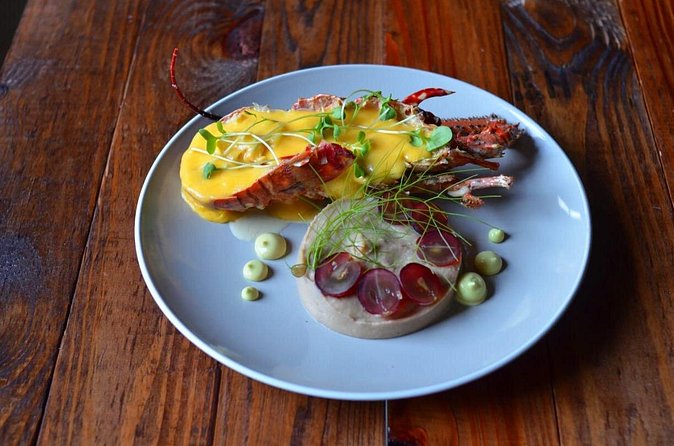
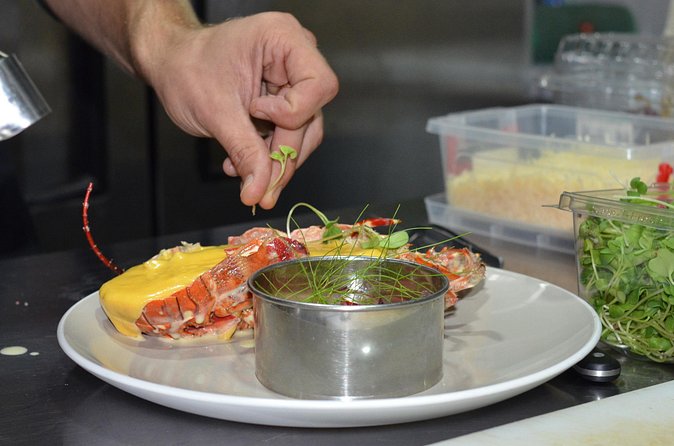
Caribbean lobster is the star here, but the real point is getting your hands on the meal. At Oliver Lab by Taino Gourmet, you learn about Dominican seafood traditions, prepare lobster with shrimp and lambí, and work with staples such as plantains and yuca before sitting down to eat.
I like the hands-on cooking and the easy hotel pickup, especially if you are staying at an all-inclusive resort and want a taste of local life beyond the buffet. I also like the rum tasting and the chance to work with guides such as Rudy, Ruth, or Francesca. The main caution is consistency: one account describes a lively, well-led class, while another found the cooking rushed, with food already prepared and an overcooked lobster.
Key points to know before booking
- Caribbean lobster is the centerpiece: You prepare a seafood meal using lobster, shrimp, and lambí, along with plantains and yuca.
- The class begins at 2:30 pm: Plan on roughly three hours, including transport, cooking, tasting, and dinner.
- Hotel transfers are included: Pickup and return service make this easier than arranging a taxi to an unfamiliar location.
- Rudy, Ruth, and Francesca are named guides: Your chef may vary, and the activity may operate in more than one language.
- Rum is part of the evening: Dinner, beverages, two alcoholic drinks, an Oliver rum experience, and dessert are included.
- The class is not perfectly uniform: Some sessions are highly hands-on, while another account found the chef doing too much of the work.
Why this cooking class is different from a restaurant meal
A restaurant lets you taste Dominican food. This class gives you a reason to ask what is on the plate and how it came together.
The focus is the old fishing tradition of the Dominican Republic. Your chef explains how local fishers catch lobster, lambí, and shrimp, then uses those three types of seafood in the Caribbean Lobster Delight. That gives the meal a local frame instead of treating lobster as just another resort dinner.
You also work with familiar Dominican ingredients such as plantain and yuca. These foods are central to the meal, and preparing them helps you understand the balance of seafood, starch, and vegetables in Dominican cooking.
I would not book this only for a fancy plate of lobster. I would book it if you want a social activity that combines food, a little culture, rum, and participation. It is especially useful during a rainy afternoon, since one family found it a pleasant way to spend a wet day in Punta Cana.
The setting is Oliver Lab by Taino Gourmet. It is described as clean and modern, though located in a small mall rather than a grand standalone culinary school. There is also a store that may be included in the experience, so expect a commercial element alongside the cooking.
Other Punta Cana trips people book on the same holiday:
- Private Airport Punta Cana to La Romana Bayahibe or Casa de Campo Resort Area
★ 5.0 · 6,662 reviews - Punta Cana Zipline Adventure with Buggies and Horseback Riding
★ 5.0 · 5,001 reviews - Full-Day Santo Domingo City Tour from Punta Cana
★ 4.5 · 4,500 reviews
From hotel pickup to the Oliver Lab kitchen
The activity starts at 2:30 pm, with hotel pickup and return transport included. That is a useful benefit in Punta Cana, where resort areas can be spread out and independent taxi arrangements can add cost and uncertainty.
The advertised duration is about three hours. That should give you enough time for the transfer, the kitchen work, the food and drink tasting, and the final meal, but it is not an all-day outing. You can still plan an evening at your resort afterward.
A driver or guide handles the transfer. The class itself can be operated by a multilingual guide, but the available information does not guarantee a particular language for every departure. If clear English instruction matters to you, ask about that before booking.
The group maximum is 18 people. That is small enough to feel more personal than a large resort activity, but it is not a private lesson. Your experience may depend on where you are positioned and how actively the chef brings each person into the process.
Learning the seafood traditions
The first part of the class centers on Dominican fishing. You learn how lobster, lambí, and shrimp are caught, then see how those ingredients are used together.
Lambí is conch, a familiar Caribbean seafood ingredient that you may not encounter often in standard resort dining. Including it with shrimp and lobster gives the class a broader look at coastal Dominican cooking.
The seafood is paired with plantain and yuca, two ingredients worth paying attention to. Plantains can be used in several ways in Caribbean cooking, while yuca provides a mild, hearty base. The class is not simply about handling lobster. It shows you how seafood fits into a complete Dominican meal.
The guide names connected with this experience include Rudy, also written as Ruddy in one account, Ruth, and Francesca. Rudy received especially warm praise for making people feel welcome in the kitchen, while Ruth was described as patient and engaging with two children. Francesca was associated with a family session that included cooking and food history.
You may not meet any of these specific guides, so treat the names as examples of the staff rather than a guarantee. Still, they give you a sense of the personal style the class aims for.
What you actually cook and eat
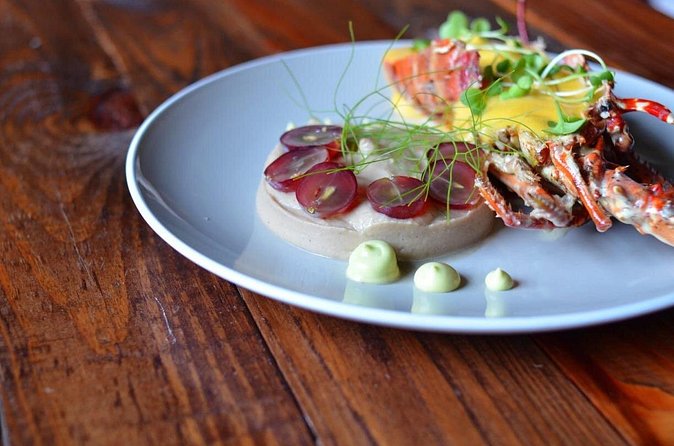
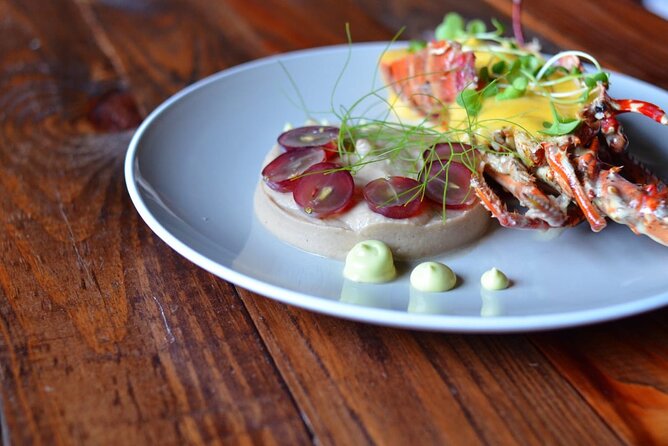
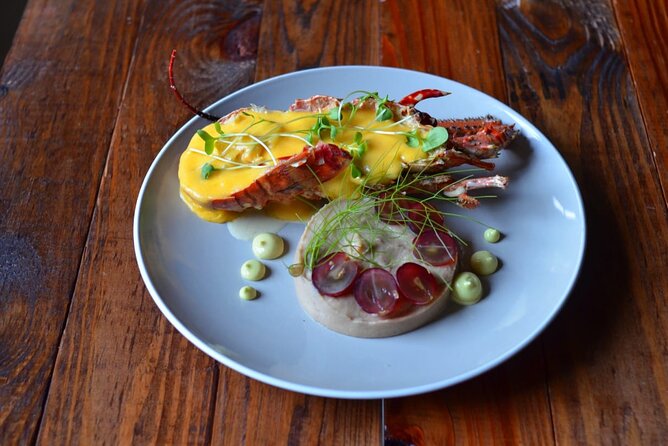
The main project is Caribbean Lobster Delight. You also prepare or taste ceviche, and the meal is served with sides such as mashed potatoes, plantains, and yuca, depending on the session.
The exact sequence can vary. One account describes ceviche, lobster, mashed potatoes, rum, and cheesecake. Another describes a lobster dinner with a dessert and rum tasting. The core promise is dinner and drinks, but the precise side dishes should not be treated as fixed.
This is important if you have your heart set on a certain menu. The seafood focus is clear, but the class may adapt ingredients and preparation. Ask at the start what you will be making and which parts you will handle.
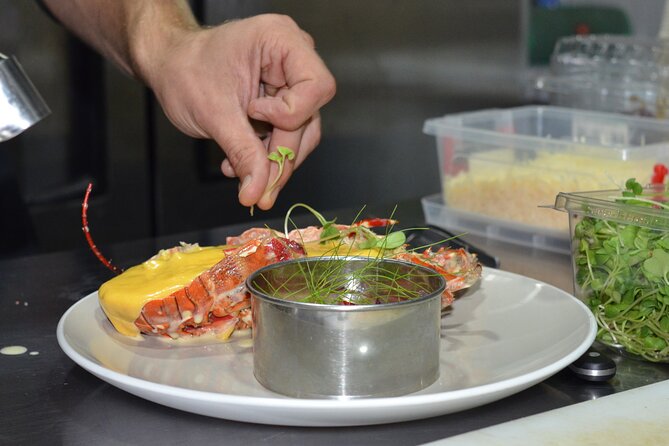
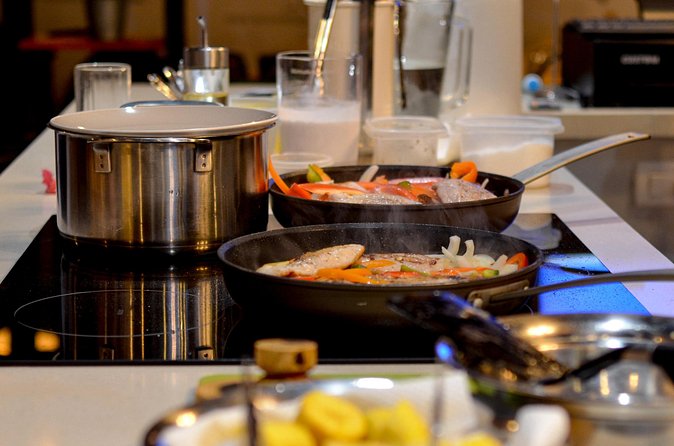
The strongest version of the class is hands-on. You help prepare the ingredients, follow the chef step by step, and then eat the results. This suits beginners because you do not need prior cooking experience.
There is one practical concern: ingredient preparation and chef involvement appear to vary. One account found that most of the food had already been prepared and that the chef controlled the stovetop, leaving little cooking for the participants. Another reported that the lobster was not cleaned before boiling and became overcooked.
I would set your expectations carefully. This is a guided group cooking activity, not a formal culinary course. If you want detailed knife work, precise instruction, and full control of every stage, you may find the format limited. If you want a relaxed shared meal with some participation, the class should fit better.
A completely different sort of day out around Punta Cana:
- Punta Cana: Catamaran Boat to Saona Island with Buffet Lunch
★ 4.4 · 3,822 reviews - Punta Cana Dune Buggy Adventure and Amazing Water Cave
★ 4.5 · 3,411 reviews - Half-Day Adventure 4×4 ATV, Water Cave and Dominican Culture
★ 4.5 · 3,394 reviews - Private Punta Cana Airport Transfers Hotels in Dominican Republic
★ 4.5 · 3,040 reviews
Rum, dessert, and the social side of the evening
Rum is more than a drink added at the end. Oliver rum is part of the experience, and the package includes two alcoholic drinks. The rum tasting adds a Dominican food and drink element that you will not get from a standard seafood dinner.
The dessert has varied by session, with cheesecake mentioned specifically. The combination of rum and dessert helps turn the class into a full evening activity rather than a short demonstration.
The tone is meant to be light and social. The description even connects Caribbean seafood with dancing salsa afterward. That is playful marketing, not a promise of a dance lesson, but it tells you the mood to expect: food, drinks, conversation, and a bit of fun.
Families can take part, though children must be accompanied by an adult. A parent described the guide as kind and engaging with two sons, so the class can work for families when the guide makes an effort to involve younger cooks.
For adults, the rum tasting and dinner make this a natural choice for a couple or small group of friends. You should remember that two alcoholic drinks are included, not unlimited beverages. Anyone avoiding alcohol should confirm what nonalcoholic options are available.
Price and what the $125 buys you
At $125 per person, this is not a cheap meal. You are paying for more than the lobster itself, though. The price includes hotel pickup and drop-off, round-trip transfers, a driver or guide, local taxes, cooking instruction, utensils, dinner, and beverages.
That package can make sense if you are staying at a resort and would otherwise pay separately for transportation and a seafood dinner. It also gives you about three hours of structured activity, rather than only a restaurant reservation.
The value is strongest for people who will use the cooking lesson. If you mainly want to eat lobster, you may find less expensive options in Punta Cana. If you enjoy learning by doing and want a cultural activity that ends with dinner, the price is easier to justify.
The two included alcoholic drinks and rum tasting add value, but they should not be the main reason to book. The quality of the experience depends more on how much the chef lets you participate and how clearly the class is organized.
I would compare this with the price of a resort excursion that includes transfers and food. The advantage here is the local cooking focus. The disadvantage is that the menu and teaching style may not be as polished or consistent as a professional private class.
Who will enjoy this most
I think this experience suits you if:
- You want a break from all-inclusive resort dining.
- You enjoy seafood and are curious about lobster, shrimp, and lambí.
- You like social, guided activities rather than independent sightseeing.
- You are traveling with family members who can follow simple cooking directions.
- You want an indoor plan for a rainy afternoon.
- You value included transportation and do not want to arrange your own ride.
It is less suitable if you need a very precise culinary lesson. The class is designed for beginners and group participation, not advanced technique.
It may also disappoint you if lobster size is a major concern. One account noted that one lobster was quite small. Seafood portions can vary, and the experience should not be treated as a guaranteed large lobster feast.
You should also think about language. The guide may be multilingual, but one account found the instructions difficult to follow in English and the measurements confusing because they used kilograms and European-style amounts. Ask about the teaching language and measurement system before paying if that could affect your enjoyment.
Timing, group size, and small details that matter
The 2:30 pm start is practical. It leaves your morning free and usually carries you into the early evening. Since the activity lasts about three hours, you should not schedule a tight dinner reservation immediately afterward.
The maximum group size is 18. That keeps the class within a manageable range, though you may still share workstations and wait for access to the stove or ingredients.
Utensils are included, so you do not need to bring cooking equipment. Dinner and beverages are also included, which means you can treat the activity as your evening meal.
Confirmation is provided at booking. Free cancellation is available up to 24 hours before the start time. If you cancel or request changes inside that 24-hour window, you should expect no refund.
Children need an accompanying adult. Hotel pickup and drop-off are included, but the exact pickup point and transfer time will depend on your hotel. Confirm those details after booking so you are ready at the right place.
How to get the best version of the experience
Tell the chef early that you want to participate. Do not wait quietly while ingredients are prepared. Ask which steps you can handle, and request an explanation of the seafood and cooking method as the class moves along.
If you are with children, ask the guide to give them a clear task. Ruth’s session worked well with two boys because she kept them involved. A simple role can make the difference between a family activity and a long wait.
Pay attention to the side dishes. The lobster gets the publicity, but plantain, yuca, ceviche, and mashed potatoes help make the meal feel complete. You can learn more by asking how these foods are normally served in Dominican homes and restaurants.
If you have food allergies or dietary restrictions, raise them before the class begins. The meal uses several seafood types, and the available information does not describe alternative menus.
Finally, bring a relaxed attitude. The class appears to be strongest when the chef is warm, patient, and willing to let you work. It is less successful when the session is rushed or the chef takes over. Your questions and requests for participation may help shape the class, though they cannot guarantee a particular teaching style.
Should you book the Caribbean Lobster class?
Book it if you want a practical introduction to Dominican food, a seafood dinner, rum tasting, and easy hotel transport in one package. The most memorable part should be preparing the meal with a guide, then eating it with your group.
I would recommend it most to couples, families, and resort-based visitors who want a local food activity without committing to a full-day excursion. Rudy, Ruth, and Francesca show the kind of friendly, personal guidance the experience can offer.
I would hesitate if you expect a polished professional cooking school, a guaranteed large lobster, or a fully hands-on lesson from start to finish. The class has had uneven execution, including concerns about preprepared food, unclear instructions, and overcooked lobster.
At $125, the decision comes down to the activity, not just the plate. If you want to cook, learn, taste rum, and share an easygoing evening, it is a reasonable splurge. If you only want seafood, spend less on a restaurant and skip the lesson.
FAQ
Where does the Caribbean Lobster cooking class take place?
The experience takes place at Oliver Lab by Taino Gourmet in Punta Cana, Dominican Republic.
What time does the activity start?
The listed start time is 2:30 pm.
How long does the experience last?
The activity lasts approximately three hours.
Is hotel pickup included?
Yes. Hotel pickup and drop-off, along with transfers in both directions, are included.
What seafood will I use in the class?
The class uses lobster, shrimp, and lambí, which is conch.
Is dinner included?
Yes. Dinner, beverages, and two alcoholic drinks are included.
Is the cooking equipment provided?
Yes. Cooking utensils are included as part of the class.
Can children join the experience?
Yes, but children must be accompanied by an adult.
What is the cancellation policy?
You can cancel up to 24 hours before the start time for a full refund. Cancellations or changes made less than 24 hours before the activity are not accepted for a refund.
New in the Punta Cana listings
- Punta Cana:Exclusive Private Tours for Groups of Up to 7 People★ 4.5 · 21 reviews
- Saona Island VIP Full Day All Inclusive Excursion★ 3.5 · 7 reviews
- Saona Island Tour From Santo Domingo with Lunch, Open Bar, Pickup★ 3.0 · 4 reviews
- Saona Island Tour with Altos de Chavón from Punta Cana★ 3.0 · 21 reviews
- Saona Island Full Day From Punta Cana★ 3.5 · 9 reviews
- Saona Island Punta Cana★ 4.5 · 21 reviews
- Saona Island and Chavon River Tour with Lunch and Drinks★ 5.0 · 29 reviews
- Saona Island Day Trip★ 4.5 · 10 reviews